
The Gold Coast Hinterland — encompassing Tamborine Mountain, Springbrook, the Numinbah Valley, and the ranges stretching to the NSW border — is one of the most environmentally sensitive and heavily regulated landscapes in South East Queensland. Landholders, lifestyle property owners, small businesses, and developers in this region face a unique set of environmental constraints that require specialist understanding.
Environmental Advisory Services in the Gold Coast Hinterland
The Groundwater Moratorium: What It Means for You
Since March 2020, a moratorium has been in place across the Tamborine Mountain and Springbrook areas that prevents the construction of new commercial groundwater bores. The moratorium was introduced to protect groundwater systems that these communities rely on — particularly given that Tamborine Mountain and Springbrook have no reticulated town water supply, making residents dependent on rainwater and groundwater.
The moratorium was most recently extended in February 2025 and remains in place until at least March 2026. This has significant implications for any commercial or small business operation on Tamborine Mountain or in the Springbrook area that was planning to use bore water.
Exemptions to the moratorium exist for stock and domestic use, small-scale irrigation, and town water supply — but commercial use is prohibited. If you're unsure whether your proposed use is covered, get advice before you drill.
What Is Still Permitted?
The moratorium covers new commercial bore construction only. Stock and domestic use bores, small-scale irrigation, and bores for town water supply retain their exemptions. If you're on a rural lifestyle block and need water for household and garden use, you may still be able to drill — but the rules need to be checked against the Gold Coast Basin and Logan Basin Water Plans that apply to your property.
Water Quality and Catchment Protection
The Gold Coast Hinterland contains the headwaters of several major river systems — including the Coomera River, Nerang River, Pimpama River, Tallebudgera Creek, and Currumbin Creek — that supply water to the broader Gold Coast region, including Hinze Dam. Any activity that could affect water quality in these catchments attracts serious regulatory attention.
Landholders and businesses need to manage their sites to prevent runoff, erosion, and sediment from reaching these waterways. This is a matter of General Environmental Duty under the EP Act — not just good practice.
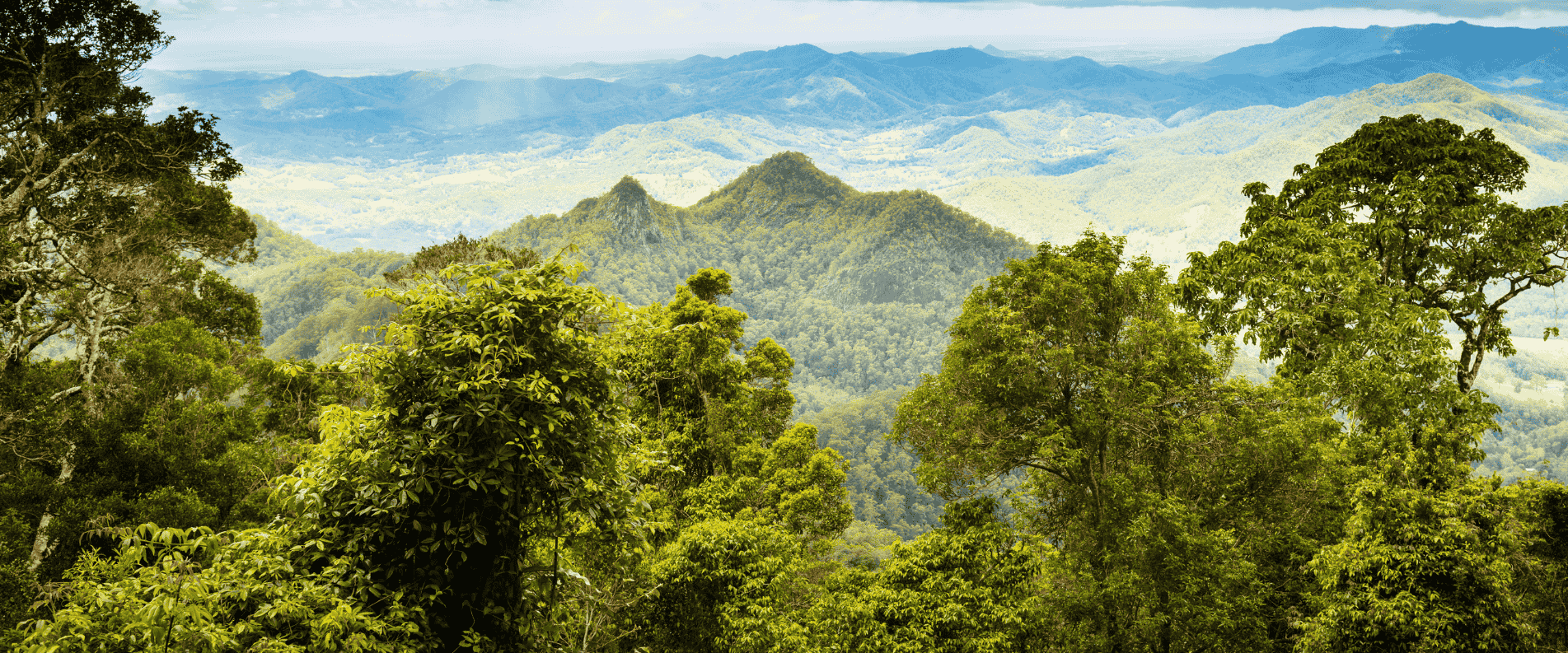
The Gold Coast Hinterland is 'the green behind the gold' — and that environmental value is reflected in some of Queensland's most stringent land and water management requirements. RiethThink Environmental helps you navigate them.
World Heritage Biodiversity and Vegetation Clearing
Much of the Gold Coast Hinterland sits adjacent to — or within — the Gondwana Rainforests of Australia World Heritage Area, covering Springbrook, Lamington, and Tamborine National Parks. This proximity creates strict regulatory expectations around vegetation clearing, development footprints, and wildlife corridor management.
The Burleigh to Springbrook wildlife corridor is a recognised critical habitat link that Gold Coast City Council is actively acquiring and restoring. Landholders with properties in or adjacent to this corridor face heightened scrutiny on any clearing or development that might fragment habitat for koalas and other native species.
Under Queensland's Vegetation Management Act 1999, clearing remnant vegetation in the hinterland without the appropriate permit is an offence. The assessable vegetation categories in this region — including matters of state environmental significance — are broad, and properties that appear relatively cleared may still have protected vegetation under the framework.
Development in the Hinterland
Development applications in the Gold Coast Hinterland are assessed by Gold Coast City Council against the Gold Coast City Plan. The hinterland has strong environmental protection zones — particularly the Rural Landscape and Environment Zone and areas with Hinterland Core Habitat overlays — that significantly constrain what can be built and where.
Eco-tourism development in the hinterland is growing, driven by Gold Coast City Council's active investment in nature-based tourism infrastructure around Springbrook. But even eco-sensitive development proposals require careful environmental assessment — vegetation impacts, stormwater management, wildlife movement, and the interface with protected areas all need to be addressed.
Whether you're a landholder, business owner, or project proponent, RiethThink Environmental can help you understand your obligations and find the right path forward.
Not sure where to start?
Contact us
Interested in working together? Fill out some info and we will be in touch shortly. We can’t wait to hear from you!